 |
|
 |
 |





 |
 |
 |
 |
 |
||
 |
 |
 |
 |
 |
 |
 |
 |
 |
 |
 |
 |
 |
|

|
||||||||||||||||||||||
|
|
|||||||||||||||||||||
|
|
|||||||||||||||||||||
|
|
|||||||||||||||||||||
|
||||||||||||||||||||||
 |
WEST VIRGINIA SEASONS END FOR FURBEARER TRAPPING AND HUNTING FEB. 28 |
| (02/24/2015) |
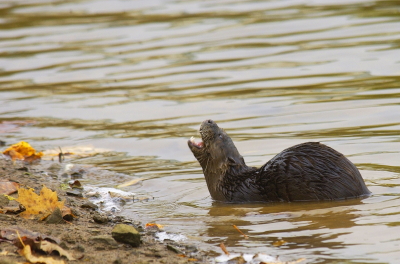 SOUTH CHARLESTON, W.Va. - The West Virginia Division of Natural Resources (DNR) reminds sportsmen and women that the hunting and trapping seasons for red fox, gray fox, bobcat and raccoon ends Feb. 28, 2015. The trapping seasons for coyote, otter, mink, skunk, opossum, weasel and muskrat also will end Feb. 28, 2015. The trapping season for beaver ends March 31, 2015. Beaver trappers are reminded that it is illegal to set traps during the month of March for beaver, unless those traps are in water. Trappers should be aware that it is illegal to set traps or leave traps set after noon on the last day of the respective season. The trapping season for fisher ended Jan. 31, 2015. All beaver, bobcat, otter and fisher pelts are required to be checked at an official game checking station within 30 days of the close of their respective seasons. Beaver trappers should be aware that starting April 1, 2015, they must check game by one of the following three ways: * Internet - www.wvhunt.com * Stopping at any license agent (you will not have to bring the animal with you) * Telephone - Call 1-844-WVCHECK (1-844-982-4325) - DNR ID number required. Trappers, hunters and fur dealers are reminded that furs shipped out of West Virginia must have a fur shipping tag, which is available at DNR District Offices. Anyone who plans to sell an otter or bobcat pelt outside of the state of West Virginia should obtain a Convention on International Trade in Endangered Species (CITES) seal for each pelt. All otter and bobcat pelts, usually exported from the United States by licensed fur buyers, must have a CITES seal from the state where the animal was harvested. The general public is reminded that now, before the trapping season ends, would be a good time to deal with nuisance furbearer problems. Trappers may be more likely to assist landowners with nuisance problems while their gear is in working order and pelts are prime.
|
|
|